Media Psychology
Media psychology focuses on how media and technology impact society and individuals in their thoughts, emotions, and behaviors. It encompasses social media, cancel culture, viral marketing, fandom and fan engagement, personal branding, celebrity studies, online cruelty, public shaming, augmented reality, online education, media ethics, PR, television, film, music, technology, software, mobile apps, online gaming, user experience, and more.

A few other things in my wheelhouse…
Traumatology
Traumatology is the study of trauma, which is a psychological state that occurs when you experience a distressing situation that is so intense or extreme that it makes you feel overwhelmed and overpowers your ability to cope. Emotional and psychological trauma can shatter your sense of security, make you feel helpless in a dangerous world, impact your sense of self, hijack your nervous system, and more.

Humiliation
To humiliate is “to cause a painful loss of pride, self-respect, or dignity; mortify.” Humiliation commonly includes the loss of social status and rejection from the society important to the person. Neuroscience shows humiliation to be one of the most intense human emotions. It not only contributes to the feeling of reputational and psychological death, but the anguish experienced can be so severe, it has been frequently cited as a risk factor for physical death by suicide. Humiliation involves a violation of dignity.
Positive Psychology & Resilience
Unlike traditional psychology which focuses on mental illness, positive psychology focuses on mental wellness. In other words, positive psychology is interested in the science of happiness, what makes life worth living, and what kinds of things help people and communities flourish. Resilience involves the process of healing, learning how to become the heroes of our own rescue, rewriting our own life story.
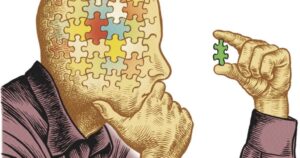
Critical Thinking & Coercion
Critical thinking involves learning to think for ourselves, having the ability to analyze facts and form a judgment. It bolsters improved decision-making, enhances problem-solving, invigorates curiosity, motivates personal research, and fosters creativity. Critical thinking helps people stay safe by learning to recognize the red flags of coercion, which is using threats or pressure to manipulate someone into doing things they would not otherwise consent to. By learning to think critically, people can break free from psychological chains and coercion.
Cult Psychology
There are countless psychological principles involved in cult dynamics, often called coercive thought reform or brainwashing. While information is available for those who seek to understand the patterns of cultic groups and cult leaders, there is still a need for the public to understand the unethical and invisible psychological manipulations involved in turning off another person’s critical thinking.
Life Stories
Our life stories are deeply connected to our mental health and our ability to overcome trauma. Narrative scholars assert that people actually invent themselves through the stories they recall and through the stories they tell. There is a saying that “selves create stories which create selves.” Creating and sharing a cohesive life story can be the foundation for healing and for growth.