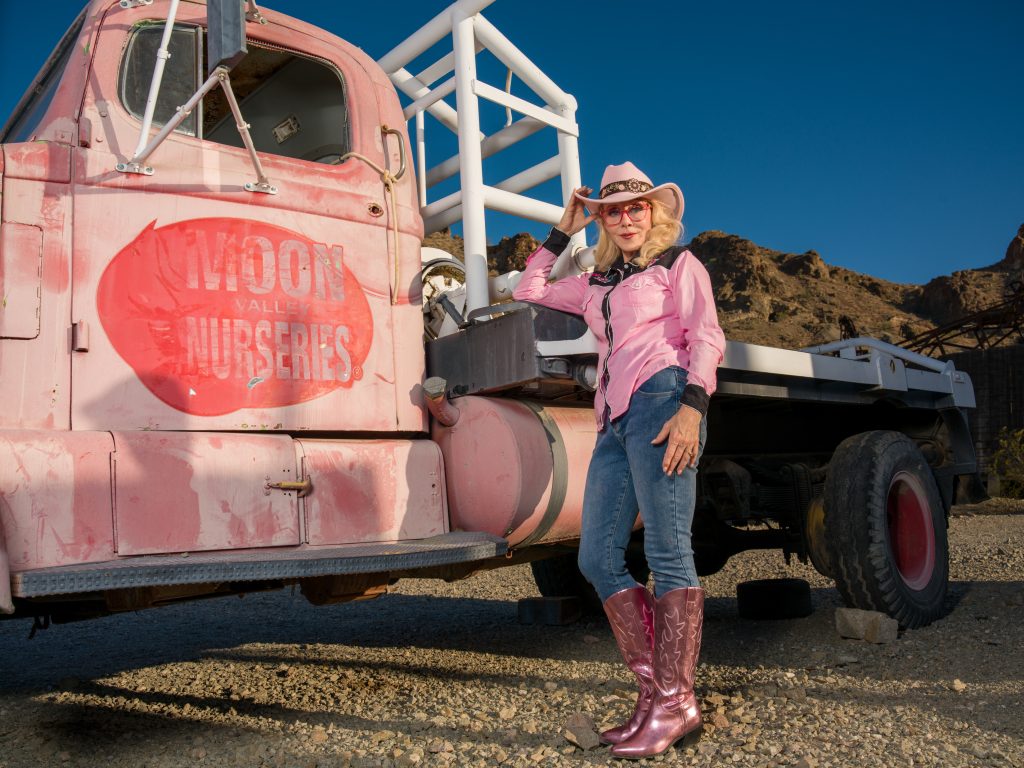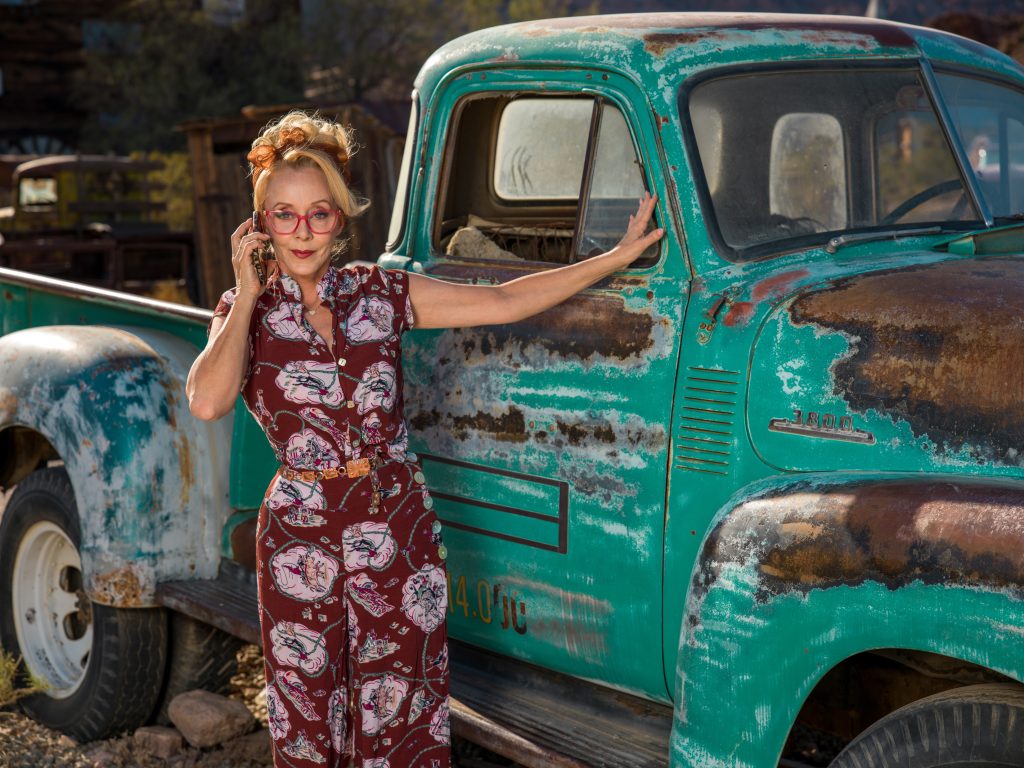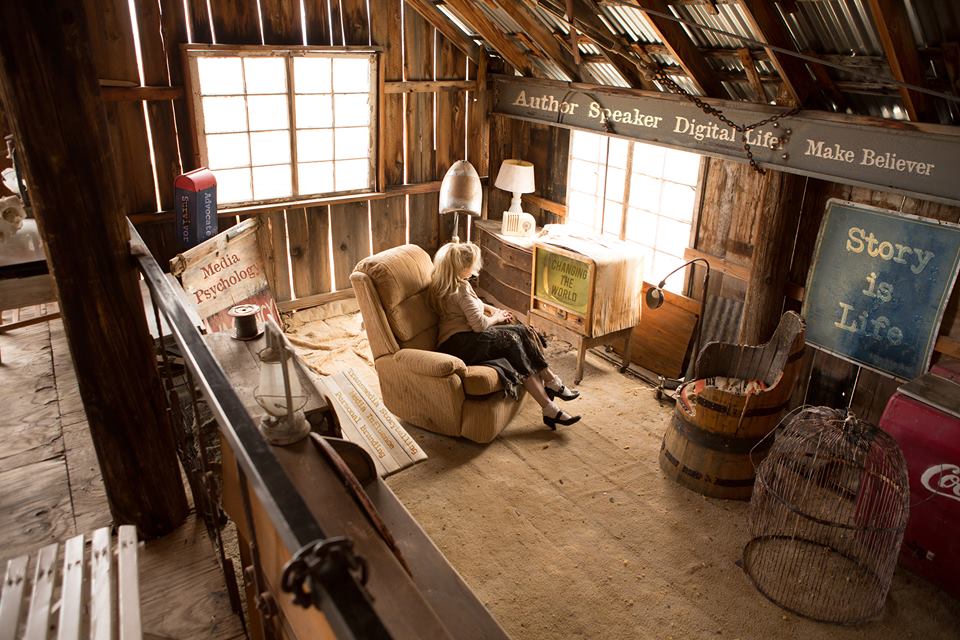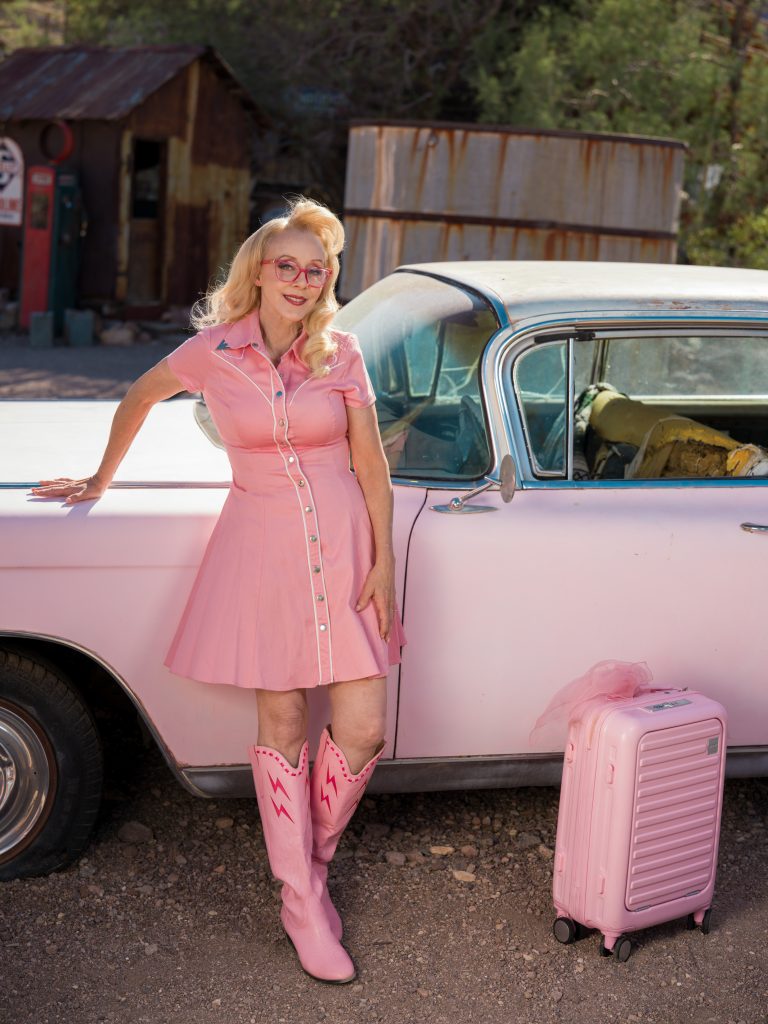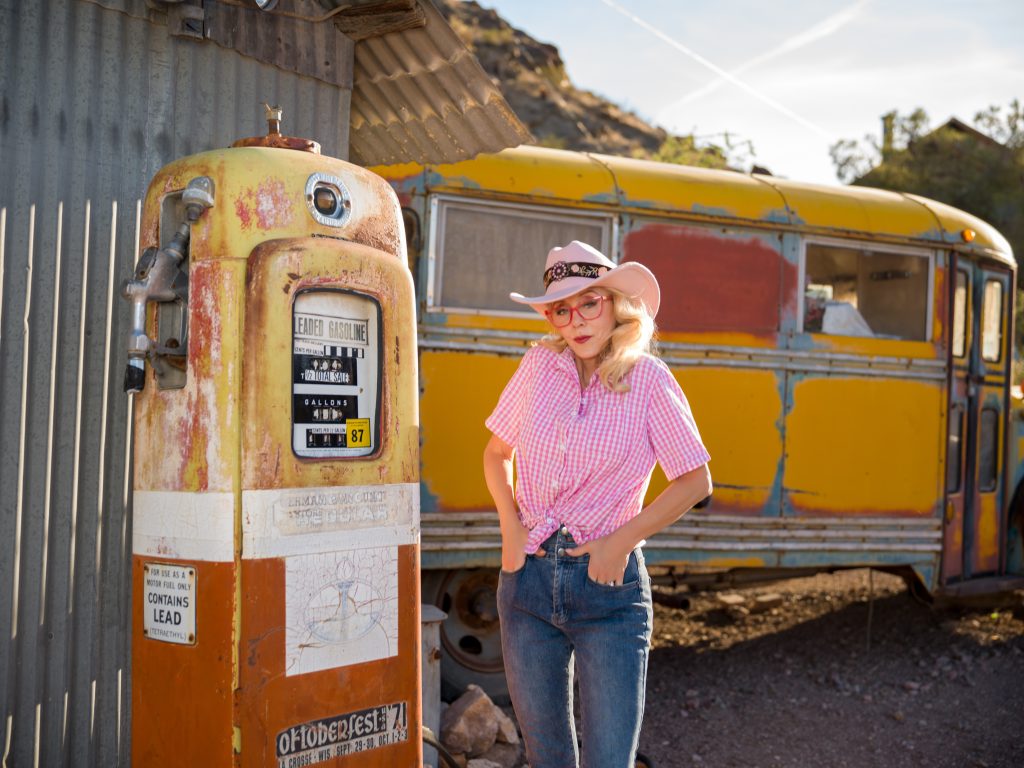
I am attracted to clothes, cars, stationary, furniture, hairstyles, and décor from the 1940’s and 1950’s. I think it started when I was a child and snuck inside an old, unfinished mansion near my house that was used as a storage facility. It was filled with items from an era gone by, the era from when my parents grew up, and I felt like I had entered a magical time-warp portal where the past and the present collided. I was instantly infatuated, and now I know why.
Nostalgia provides an emotional safety net and a sense of comfort.
An article in Philosophy Now by Mirkan Sancak does a deep dive into nostalgia.
“Numerous studies have shown that nostalgia can serve as a psychological coping mechanism, helping individuals deal with feelings of isolation, anxiety, or existential angst. It often provides a comforting narrative of the past, imbued with simplicity and moral clarity, which contrasts with the complexity and moral ambiguity of the modern world. Popular science can elucidate how nostalgia, through the release of neurochemicals like oxytocin and dopamine, can act as a psychological salve, momentarily alleviating the discomfort of existential questions.” SOURCE
Even though I did not live in those times, my parents and grandparents spoke about the past with a fondness that rubbed off. Although I never lived in the 40’s and 50’s and have no actual nostalgic first-hand memories, I am drawn to the period. You know how there’s a thing called secondary of vicarious trauma, defined as the “profound emotional and psychological shift that occurs when you empathetically engage with trauma survivors.” Well, I wondered if there was such a thing as secondary nostalgia, and there is! It’s called ‘anemoia’ and it’s when a person longs for an era from the past, or a place and time they never experienced. This yearning can be triggered by vintage media, such as old movies, shows, books, and photographs.
The old pinup, rockabilly, and retro-style fashions, known as the global vintage apparel market, is valued at $7.2 billion and projected to hit $14.8 billion by 2034. I just happen to be one of them. When I’m not battling cult leaders, educating the public, doing farm chores, or battling impostor syndrome as I try to be academic, I may sneak off with Tolga for a little escapism into the worlds of a bygone era. And Tolga, of course, will have his camera.